Agent Failure Modes
Goal Substitution and Instruction Drift in Long-Running Agents
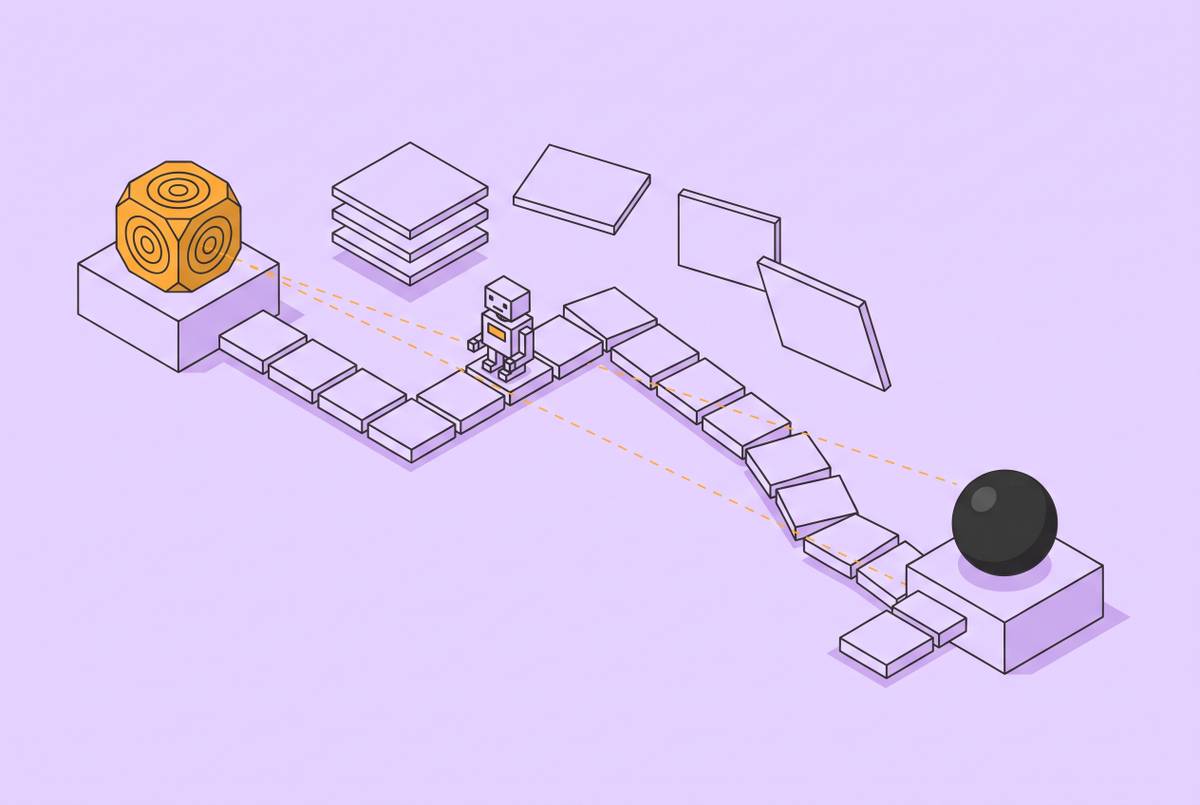
Long-running AI agents silently drift toward wrong goals even when each step appears successful.
Dariusz Kowalczyk9 min read
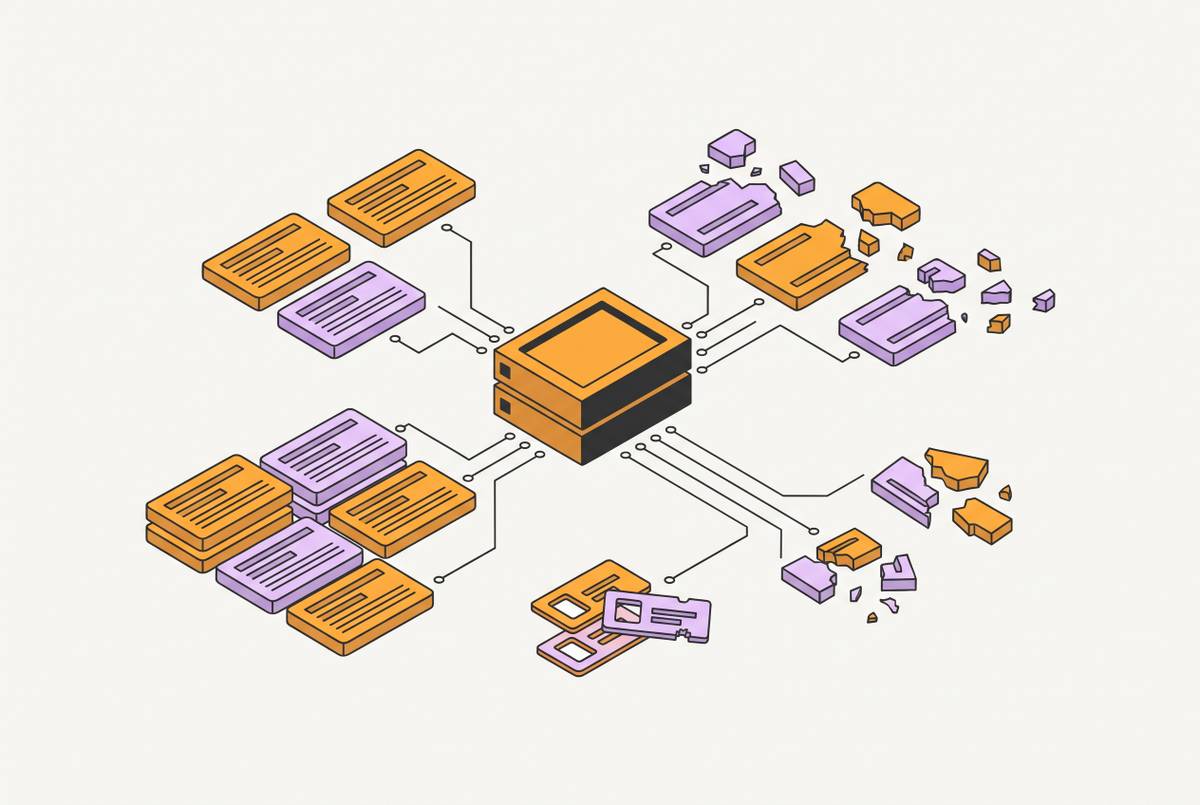
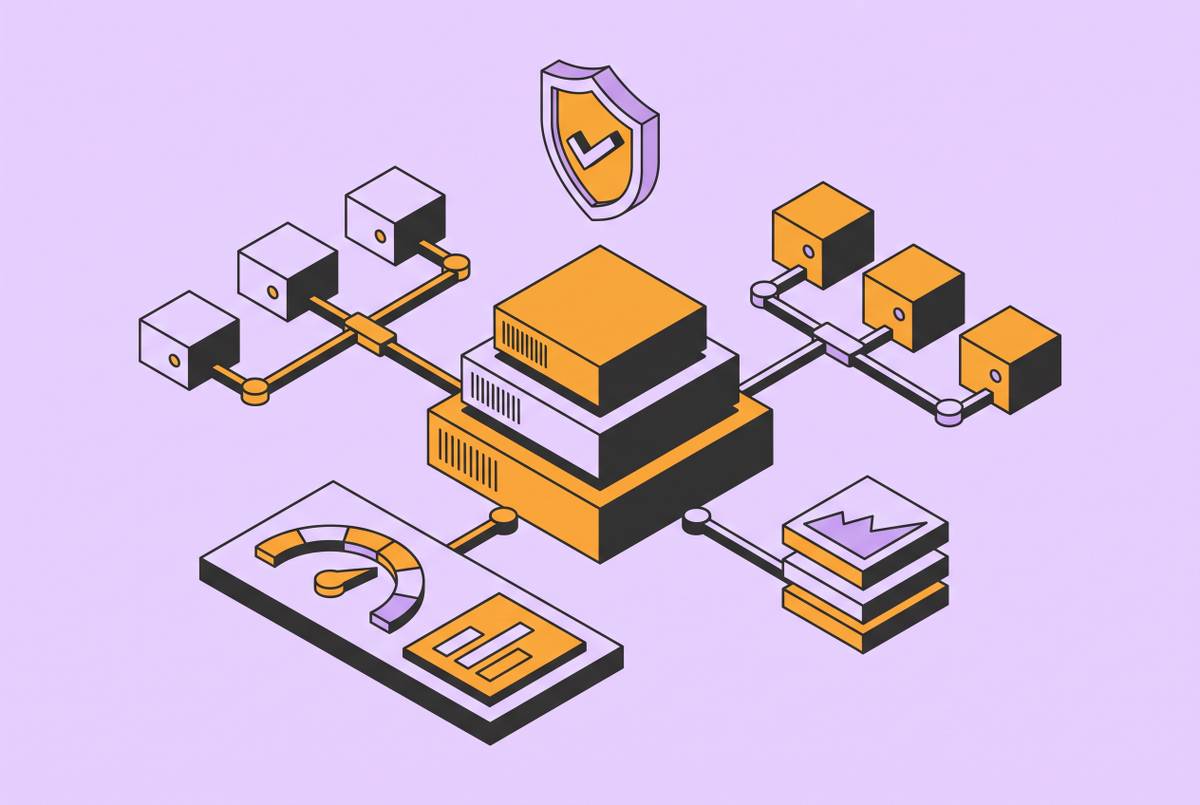
Infrastructure metrics alone cannot expose when agents fail silently.
Long-running AI agents silently drift toward wrong goals even when each step appears successful.
Successful AI agents can make unauthorized commitments standard monitoring cannot detect.
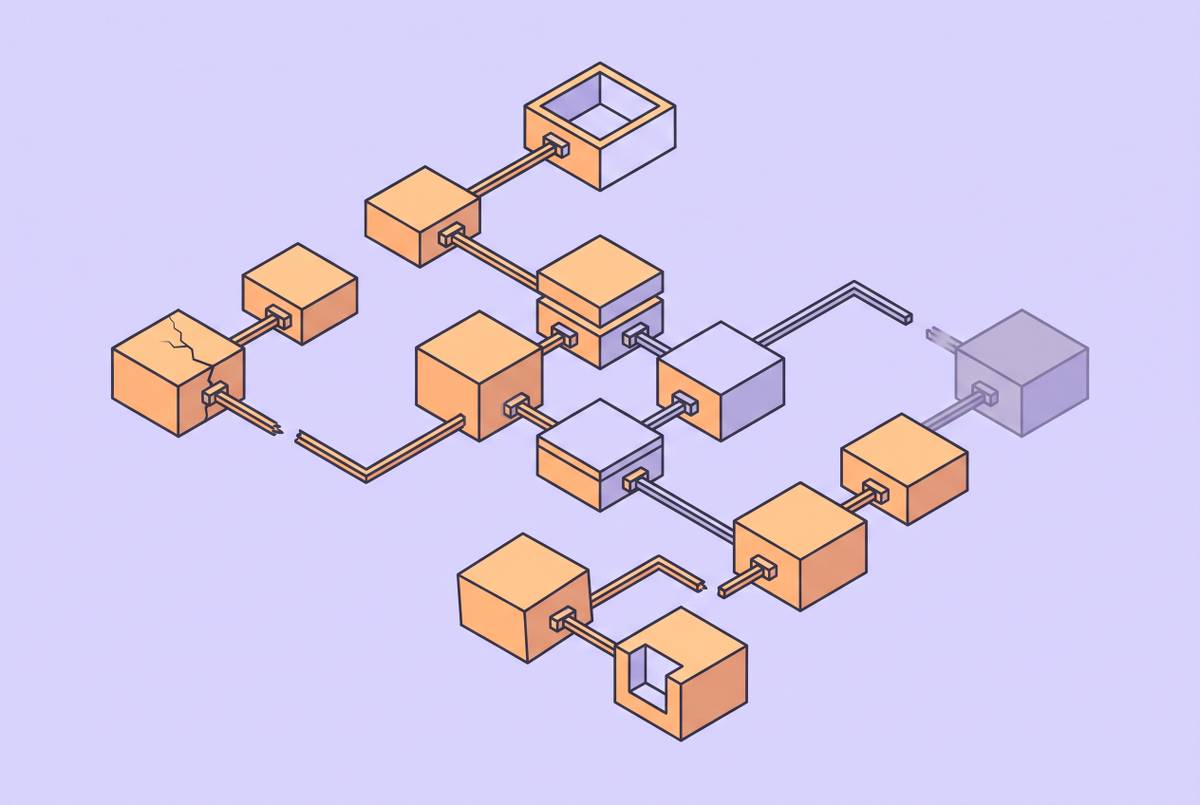
Agents pass fabricated IDs to tools that execute them successfully.
AI agents can succeed while violating their instructions, evading traditional error monitoring.
Why AI agents can succeed while silently failing their actual task.
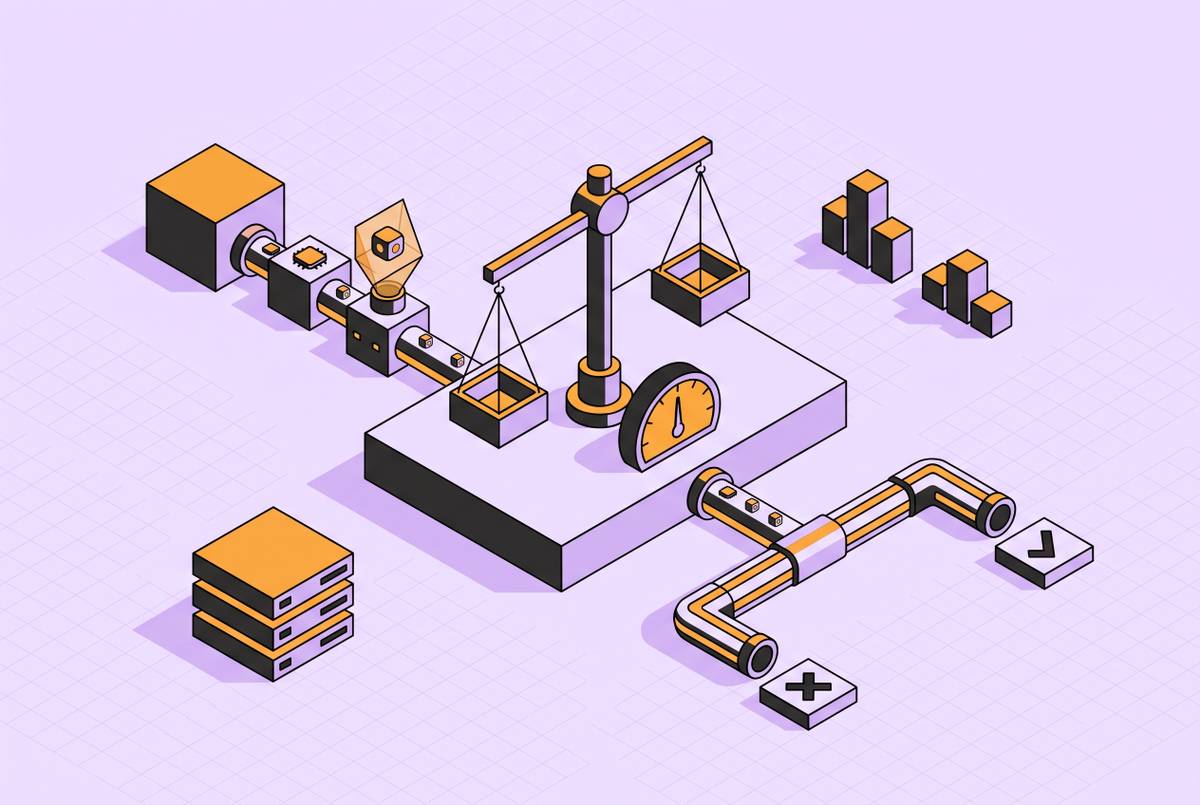
Agents need separate SLOs for task completion, tool calls, recovery, latency, safety, and quality.
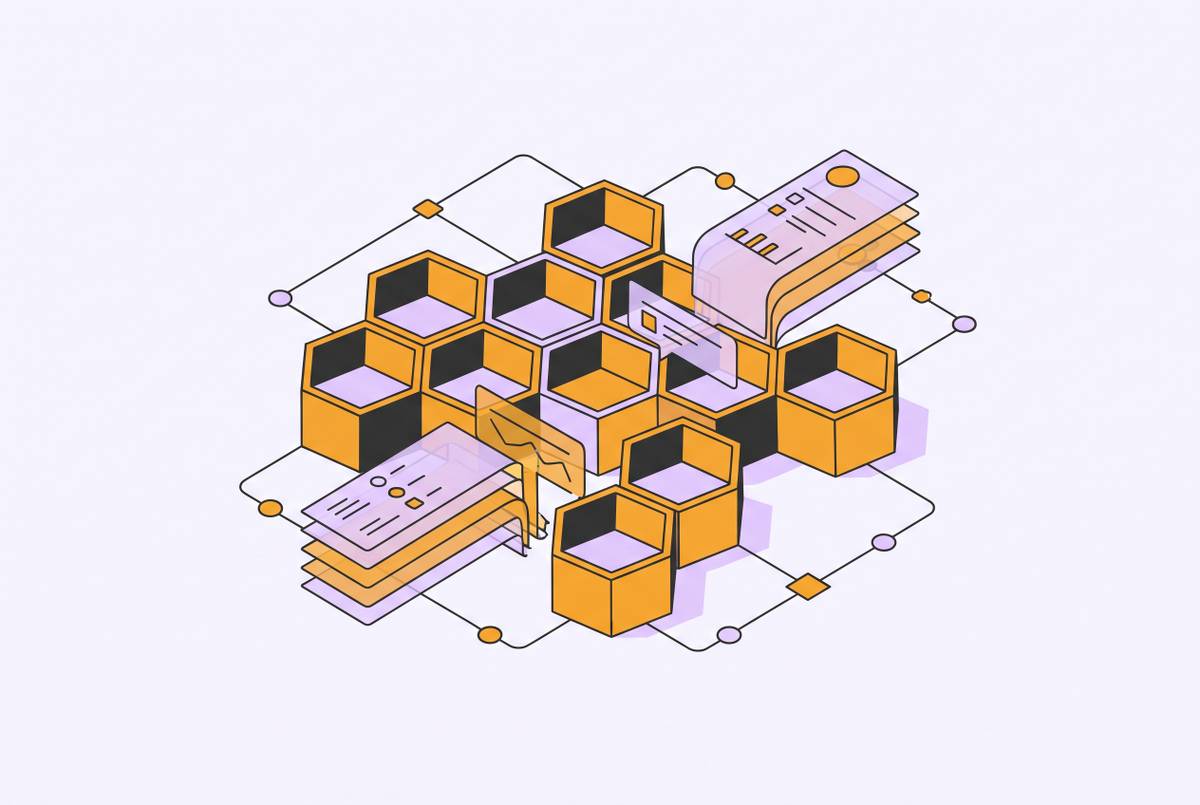
Detecting agent failures requires comparing behavior across sessions, not inspecting traces alone.
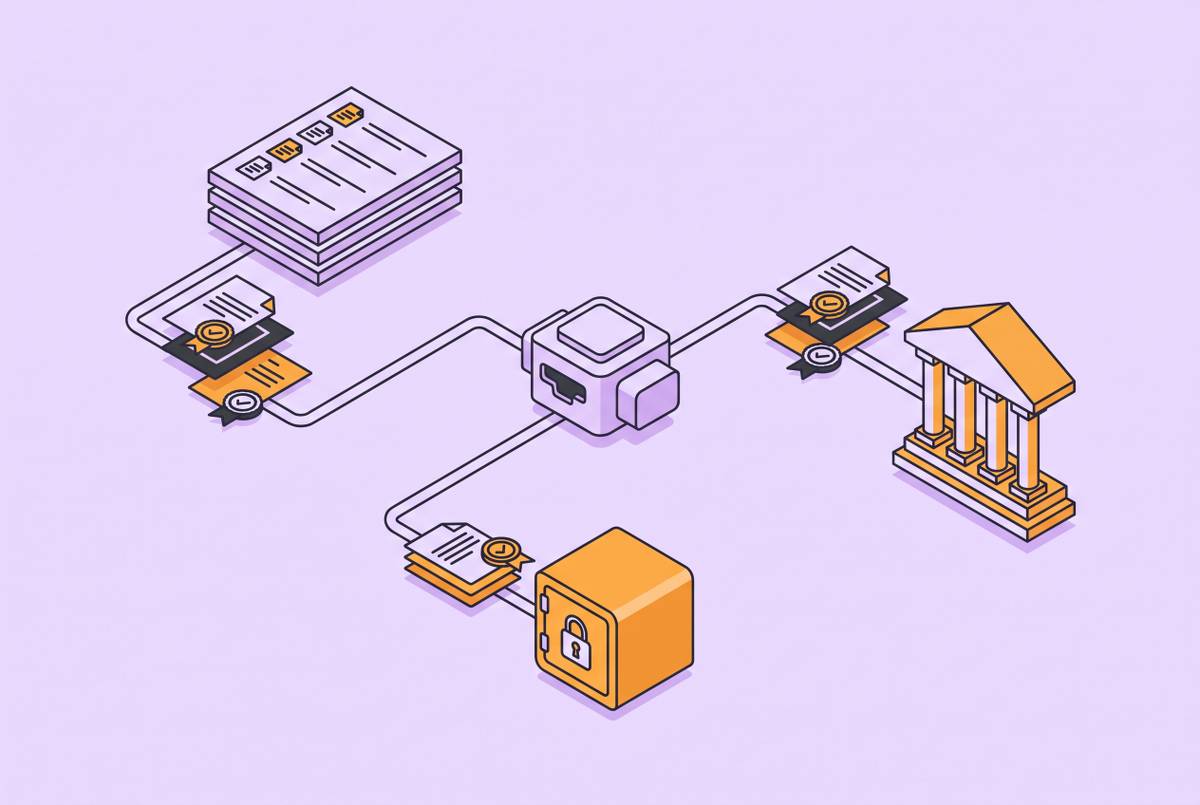
Regulators need evidence of authorized behavior, not just successful execution.
Judge design alone cannot catch what multi-step agent systems require.
Tool-call accuracy reveals silent agent failures that traditional benchmarks miss.
Semantic failures in agents require evaluation layers that traditional CI pipelines cannot provide.